Multistage pumps
 Administrator 1January 14, 2026
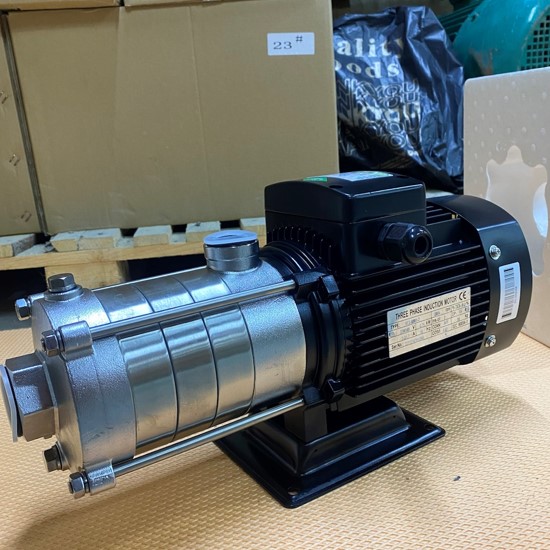
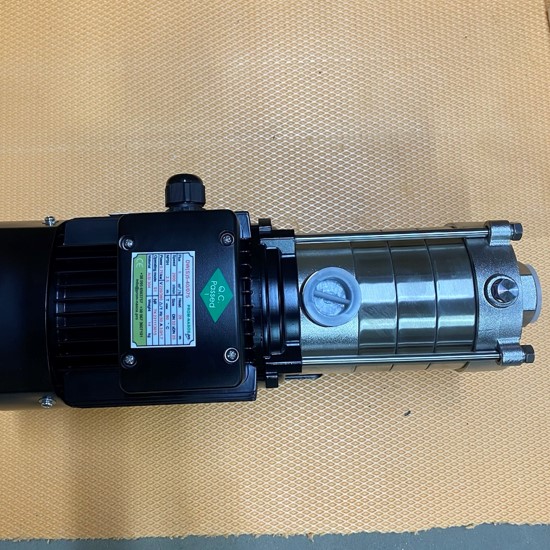
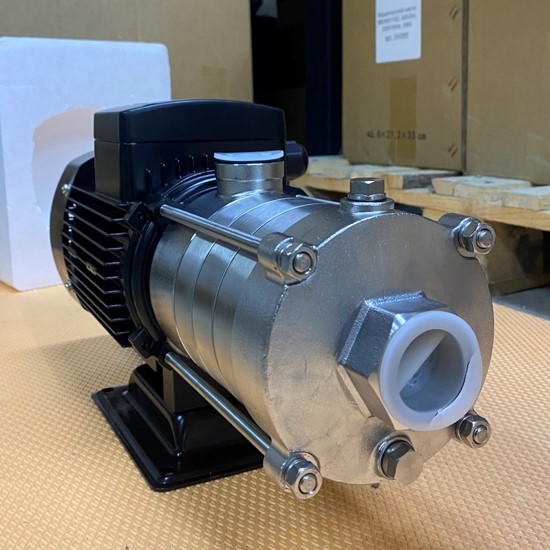
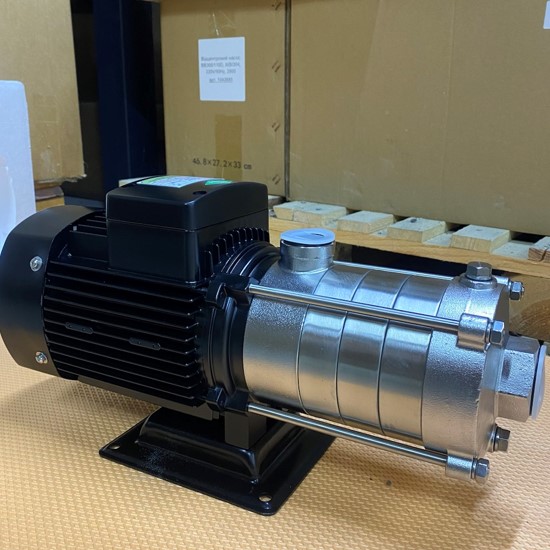
Multistage pumps are a type of pump that features several working stages (impellers or wheels), allowing the pressure of a liquid or gas to be increased at each stage of operation. Each stage raises the pressure of the fluid by a certain amount, and as a result, the pump can provide high pressure with a relatively small pumped volume.
Operating principle: The fluid enters the first stage, where its pressure is increased. It is then transferred to the next stage, where the pressure rises again, and so on through all stages.
Types of designs:
- Horizontal: commonly used in industry for pumping water, chemical solutions, and petroleum products.
- Vertical: used for pumping water to great heights, particularly in water supply and wastewater systems.
Advantages:
- Ability to achieve high pressure values.
- Capability to pump large volumes of fluid with relatively compact dimensions.
- High reliability and stable operation under heavy loads.
Applications: water supply and wastewater disposal; high-temperature and chemical processes; cooling and heating systems; pumping petroleum products and chemicals.