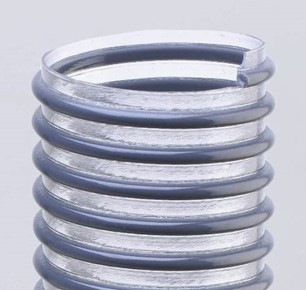
Pressure and Suction Pipelines
 Administrator 1July 14, 2026
The proper and long-term operation of any pump largely depends on the piping system connected to it.
You can purchase an excellent pump with the required performance characteristics, but after commissioning, fail to achieve the desired results due to mistakes made in the selection or design of the piping system.
Today, the range of pipes used in various industries is extremely broad. Pipes are manufactured from steel, polymer materials, rubber, copper, concrete, glass, and even fabric.
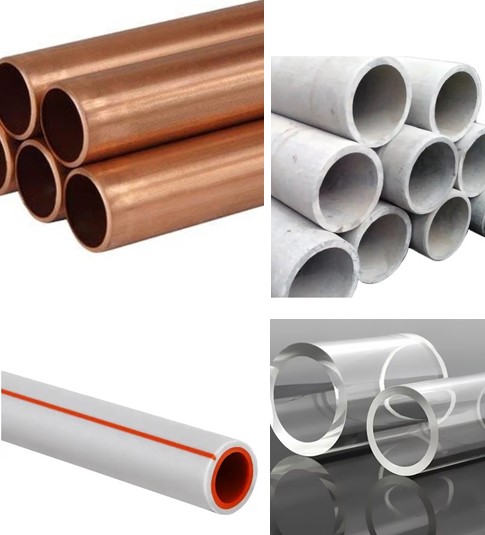
As emphasized previously, hydraulic calculations are the basis for selecting the correct pipe diameter and material. In addition, several important factors should be considered when choosing the type of pipe.
It should be remembered that each type of pipe, in addition to its geometric dimensions, has a maximum pressure rating that the pipeline can withstand.
Pressure is the key parameter that must be considered for discharge pipelines. The pressure rating should be at least 1.5 times greater than the maximum pressure that may occur in the process system (heating, water supply, reverse osmosis, fire-fighting systems, etc.).
Another important consideration is the selection of the suction pipe. As is well known, any pump creates a vacuum in the suction line, so the suction pipeline must be rigid enough to prevent deformation that could restrict the flow of liquid.
A good example is a fire hose. Although a fire hose made of special fabric can withstand high pressures (5–10 bar) and remains flexible enough to be rolled into a coil, this type of hose is unsuitable for use as a suction line.
Suction pipelines should be made of steel, plastic, or other rigid materials. In the case of polymer hoses, they should be reinforced with a metal spring to prevent collapse under vacuum conditions.